Sunday, November 02, 2014

my note on the concept of leadership

Our nation is currently entering its "new age" as we officially have a new leader, a new president, elected directly by Indonesian people. Many people are hoping for new breakthroughs under his leadership, many people are hopeful for improvements of the nation. In less than one third of his first quarter of governance, the new president has caught us attention through various stories and headlines, particularly on his composition of cabinet, named Kabinet Kerja, literally translated as Working Cabinet.

Susi Pudjiastuti has became the most talked about person in the nation since the day Mr. Jokowi announced his cabinet and assigned her as Minister of Marine and Fishery Affairs. Many critics and cynical comments were being addressed to her, given her educational background and other personal matters. The assigned minister is a high school dropout whom on the other hand has been a very successful entrepreneur in the field of fishery and aviation. This is probably a rare type of case. Hard work, correct strategy, effective leadership, and probably luck are the key factors which has brought Susi Pudjiastuti to where she is now, a successful businesswomen of two companies with billions Rupiah worth of assets. Before, many people may have not known Susi Pudjiastuti and what she does. Despite of negative comments on her background, Susi Pudjiastuti has raised a positive story, which hopefully, encourage others. Her story tells how anyone can be successful, by being a hardworking and empathetic entrepreneur. A successful example of a leader.

Being elected as the first female Minister for Marine and Fishery Affairs, Susi Pudjiastuti's model of leadership, experience and knowledge is to be tested in a whole new level. Given her background as a high school dropout, particularly, has always been challenging for her to gain trust and acceptance from others. This may also applies during the earlier period when she was just starting up her business. What constructs her success? How was her leadership established and maintained?

In his interview with Harvard Business Review, Daniel Goleman explained how effective leaders are able to functioned through three types of focus: inner focus, other focus, and outer focus. With inner focus, one will be able to give constant effort and gain continuous power to achieve goals, targets, and put their vision into realization; with other focus, one will believe that they are doing good cause, because it is also affecting other people and thus adding strength and confident in achieving goals; and with outer focus, one will be able to place themselves in a bigger context, and they have role within that larger context which enables them to moderate their effort in achieving targets through strategies, networks, etc. With the three focuses working in parallel, one will be able to practice an effective leadership which most likely will lead them towards success.

The above mentioned theories may have been implemented by Susi Pudjiastuti in running her business. At the core basis, she knew she had to survive by the time she dropped out from school. She was leading herself to start her own small business which happened to continue growing as she gain more experience. Her experience and visions enables her setting bigger goals. She started gaining reputation and trust, which enable her  to include other people in her vision and to have them impacted by her business: families, local fishermans, foreign pilots, etc. By doing this, she generates more resources which helps her business to grow. In a wider context, she need to develop strategies in order to have her effort and the people impacted by her business to be put into effect, there's a product or outcome that is recognized by the market. With USD 40 Million of revenue in 2014, it is not too vague to say that people are satisfied with the product, adding more wealth to her company, both material and non-material.

Susi Pudjiastuti is one of many example of extraordinary individuals who shared similar success stories. New Challenge is ahead of her in developing Indonesia's vast potentials in the field of marine and fisheries. As Daniel Goleman explained, to become an even more effective leader, one need to develop their focus through practices. Realistically, different context have different consequences on the degree of practice that is being done. Supposedly, those practices are drives and motivations for effective leaders.

Wednesday, October 15, 2014

my note on the concept of trust

Societies which lives in countries located in the Eastern sphere of the world are often associated with being collectivist, meaning that people living within these societies highly valued collectivity in their daily life.  Of many characteristics, individuals living in collectivist societies are usually family oriented, have many informal associations, have strong group spirit (gotong royong), etc. Some of us are indeed familiar with these characteristics as we are living in Indonesia.

Now, as a nation, Indonesia has been one of the emerging Economies in Asia (with 5,7 % rate of GDP growth in 2014 according to Asian Development Bank). Though our nations economy is still slowly growing, still it is achievement and would be an impossible without good cooperation between government, private sectors, and of course the Indonesian public. The last determinant will have major role in the process, the public. Some study results concluded that economic growth is associated with public trust, where societies with high level of trust mostly lived in countries with stable and promising economic growth (i.e Scandinavian and West European countries). 

What forms trust? in individual scale, trust will grow when one finds other individual is reliable, indicated by integrity, effort, leadership, etc. With trust, individuals are able cooperate and collaborate in achieving common goals. Moreover, people with similar interest and goals tends to be easier in trusting each other. In wider scale, the term used is generalized trust, which is often referring to bunch of individuals trusts as well as trust towards government, officials, etc. Clean and good governance is often associated by high degree of trust by its people as individual well being and wealth are being emphasized. People respect the government of the consistency and integrity in empowering the nation. This balance therefore promotes stable economic growth, civic engagement, civil political involvement, etc.

How does the trend of trusting applies in Indonesia? given its characteristics of collectivist nation, in general it is not difficult for people to engage with each other, despite given the nation's multicultural background. Assuming that trust should form naturally, generalized trust in collectivist country such as Indonesia should also be high. However, the hypothesis referring to the positive association between generalized trust and wealth, particularly, does not seem to generally apply. At some point and levels the mechanism of trust works does promote cooperation between individuals, but in some other there are just too many challenges to be faced such as corruptive government, propaganda, weak law implementation, etc, which hinders generalized trust to grow, thus slowing nation's development. Despite, potentials and resources towards nation's betterment are there already. Hopefully to make breakthrough in the near future.


Reference: Uslaner, Eric M and Mitchel J.Brown. 2003. Inequality, Trust, and Civic Engagement. American Politics Research, Sage Publication

Sunday, October 12, 2014

my note on the concept of migration


Our cohort of generation is living under the period where the process globalization is becoming vast and rapid. The process of globalization enables some aspects to become easier : human mobilization (migration), communications, etc. And with easier human mobilization etc, wide range of societies has been impacted by the process, adding new dynamics to the existing complexities.


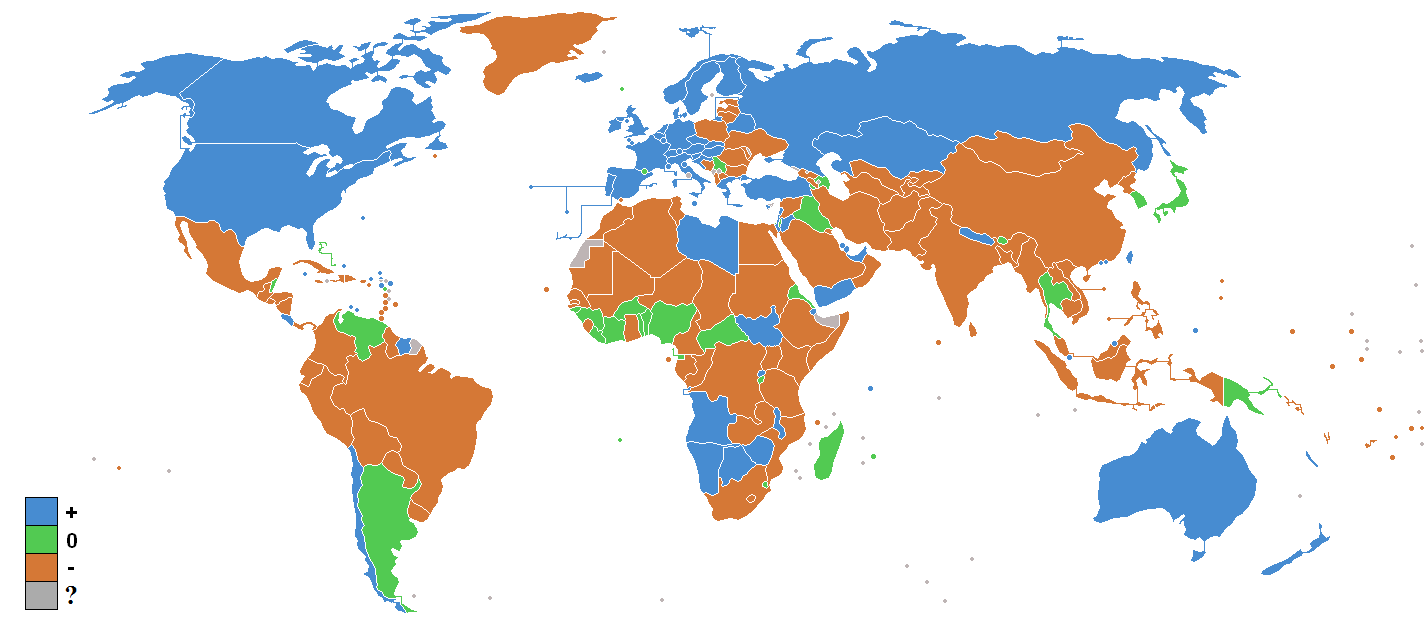
                                                       Worldwide Migration Graphic in 21st Century
                                      (brown = origin countries of migration; blue = destination countries of migration)
                                                                                     Source : wikipedia

In the 21st century, human migration has becoming wider than ever. Why do people migrate? 
The graphic above shows that most people are migrating from developing countries to develop ones, indicating economical background as the main determining factor. Job sectors in developed countries are seen to be more promising. Many people also hope to improve their well being by living in a better environment. Aside to those, there are also thousands of students who come to study abroad, not just to get better education, but also to have in-person experience of living in culture different to their own and having to challenge themselves by adjusting to it. Not forgetting tourist and travelers who are simply passionate to explore and discover new things in different places. These processes have been easier as people have easier access to gain overall information of getting to the other side of the world. People gets the idea of "that other country and culture" even before migrating, which gives them slight confident in coping with the "new adventure" ahead.

Now, what happens when people have migrated? of course, there are implications. 
On the micro scale, the process allows individuals to grow. Individuals who migrated have bigger urgency in stretching their potentials, in order to be successfully adjusting to the new culture as well as to grow their skills and personal networks. On the broader scale, societies and communities becomes melting pots of multicultural backgrounds. Exchanges of ideas has become easier as ideas developed faster. People are also becoming more open minded due to the exposure towards other individuals with different cultural backgrounds, thus they understand and accept differences. In the end, these two aspects increased productivity and promotes peace among societies, though in some cases the reality is completely the other way around. Due to massive number of individuals migrating to their countries, governments of some countries are troubled with the reality. Conflicts emerge between indigenous and migrants, mostly battling over resources. As result, migration policies has become stricter in some countries.

Afterall, should people continue migrating? I personally think the rights to migrate shall never be abolished in this world. We are all unfinished products, and migrating gives people the opportunity to explore things beyond their imaginations and expectations. This world has become borderless anyway, that it is too late to stop people migrating. However, it is important to keep in mind that our cultural identity will be challenged throughout the way, and to decide on our own identity is not a simple thing to do.


it's been a WHILE

Whoa! it's been ages since the last time I posted in this blog.

My writing appetite has been drained off lately, apology for that.

Now let me try this again...


Friday, March 01, 2013

From the Netherlands to America


This is a video which I happened to watch in Youtube this morning. 

Another video describing the cycling culture in Holland.
In this video, some informative facts are explained: from how the Dutch got their cycling habit to the technicalities behind the engineering of bicycle ways in Hollands.

Since I have experienced it myself, I completely agree that Holland is definitely a perfect place to bike. It is really easy and convenient to get from one place to another by bike within cities. Aside from the advanced cycle ways, the relatively cool and clean weather makes cycling even more easier and even enjoyable. 

Like many other major cities in the world, system of transport as a means of getting people around is becoming one of the issues highlighted by governments in formulating their policies. Some cities are struggling in solving problems of transportation, while some other "survived" the complexity. From the video and from what I have experienced, I conclude that the cycling system in Holland is a good example of a good cooperation between government and community in solving transportation problems. And another point is that this particular policy has not only been a win-win solution for both sides, but also guaranteeing the environmental sustainability. 

Maybe something to consider for improving the system of transport in Jakarta?


Friday, June 22, 2012

tentang nilai dan sepakbola

Ketika saya menulis posting ini, ajang sepakbola paling bergengsi di Eropa sedang digelar. Bagi saya pribadi, menyaksikan pertandingan-pertandingan tim nasional negara-negara Eropa merupakan hiburan tersendiri di tengah-tengah hiruk pikuknya urusan akademis. Di sisi lain, pertandingan-pertandingan tersebut juga  menggugah 'intuisi' saya yang kebetulan seorang mahasiswi yang mempelajari ilmu Sosiologi ini. 

Beberapa hari yang lalu saya menyaksikan pertandingan antara Belanda dan Portugal. Pertandingan tersebut cukup seru mengingat tim mana pun yang dapat mencetak skor lebih banyak akan maju ke babak pasca-kualifikasi. Tidak hanya menyaksikan para pemain berlaga, bersama my lovely housemate, mbak ulil, kami juga sibuk mengomentari pertandingan tersebut, tentunya bukan dalam aspek teknis karena pengetahuan kami tentang sepak bola sangatlah minim. 

Insight yang kami dapat ketika menyaksikan pertandingan Belanda vs Portugal mengilhami saya untuk menulis posting ini. Pengalaman kami tinggal di Belanda selama hampir setahun belakangan memungkinkan kami untuk melihat karakter orang-orang Belanda dari perspektif kami sebagai outsider. Persepsi kami tersebut sedikit banyak terefleksikan melalui apa yang kami saksikan dari pertandingan antara dua negara di Eropa yang notabene berbeda karakter masyarakatnya. Agaknya pandangan ini juga merupakan common sense yang berlaku di antara masyarakat daratan Eropa dimana perbedaan sosio-cultural menjadi suatu hal yang selama ini diklaim sebagai aspek yang memperkaya multikulturalisme masyarakat Uni Eropa. Anyways, kembali pada Belanda vs Portugal, selama pertandingan kami melihat perbedaan karakter tersebutlah yang menentukan bagaimana pertandingan tersebut berjalan. Pada dasarnya, prinsip sepakbola adalah universal, yaitu untuk permainan kolektif dengan strategi tertentu untuk mencapai tujuan bersama, yaitu menjebol gawang lawan. Namun, ketika aspek lain is taken into account, pertandingan sepakbola adalah 'teater' yang menarik untuk melihat aspek-aspek lain yang direpresentasikannya. Belanda, terlihat bermain sangat tertib dan displin, tampak bahwa minim sekali usaha pemain-pemain Belanda untuk melakukan improvisasi yang sebenarnya bermanfaat dalam mengecoh lawan. Berdasarkan pada apa yang kami persepsikan dari pengalaman kami tinggal di Belanda dan berinteraksi dengan orang-orang Belanda, hal ini kemungkinan besar disebabkan oleh faktor sosio-kultural dimana orang-orang Belanda memang disiplin dan sangat berorientasi pada hasil dalam kesehariannya. Prinsip ini yang agaknya yang menjelaskan mengapa pemain Belanda minim untuk melakukan improvisasi. Improvisasi bisa saja dilihat sebagai suatu hal yang 'menganggu' proses dan pada akhirnya mempengaruhi hasil. Menurut saya pribadi, ketika hasil menjadi prioritas, bagaimanapun cara yang dilakukan dalam proses bukan tidak menjadi masalah. Di satu sisi, prinsip ini akan sangat berguna ketika kita menjunjung efisiensi dan efektifitas. Di sisi lain, prinsip ini tidak memungkinkan kita untuk enjoy dan bermain dengan kreativitas, untuk mencoba kemungkinan-kemungkinan baru. Hal ini yang terlihat jelas dari pemain-pemain tim Portugal, dimana mereka bermain penuh dengan improvisasi. Terlihat jelas bahwa dalam kondisi dimana mereka harus memenangkan pertandingan, pemain-pemain Portugal terlihat kompak dan enjoy dengan permainan mereka. Kreativitas terlihat jelas disitu, dan mungkin juga itulah yang disebut dengan compassion.

Pada akhirnya, tim Portugal berhasil mengalahkan tim Belanda dengan skor tipis 1-0. Untuk kasus ini, kreativitas dan compassion pemain tim Portugal mengalahkan determinasi dan efisiensi pemain tim Belanda. Tentu saja hal ini tidak bisa dijustifikasi dalam kehidupan sehari-hari. Namun hal ini cukup menginspirasi saya dalam memahami nilai dan esensi. Tugas kita adalah untuk mengukur kapasitas kita masing-masing untuk menentukan sendiri nilai (value) apa yang kita miliki sebagai modal untuk mencapai sebuah esensi. It might seems simple, but in the application it took a while to assemble all the pieces of puzzle there is and to finally see the whole picture.Cheers!


Wednesday, May 23, 2012

Paris

Posting ini di-ilhami dari pengalaman saya mengunjungi salah satu kota yang namanya cukup termasyur di seluruh dunia: Paris. Satu minggu lalu saya memiliki kesempatan untuk mengunjungi kota tersebut dan sejauh ini Paris adalah kota yang paling menarik perhatian saya.

Keindahan kota Paris memang menarik banyak orang untuk mengunjungi kota tersebut. Siapa yang tidak kenal dengan menara Eiffel, gereja Notre Dame, dan juga pusat perbelanjaan luxurius Champ Elysse? Landmark-landamark tersebut melengkapi keindahan kota Paris dan menyihir orang-orang yang mengunjunginya. Kesan tertentu pasti tersimpan dalam kenangan orang-orang yang mengunjungi kota ini.

Ini adalah kali pertama saya mengunjungi Paris. Saya tiba di stasiun kereta terbesar di Paris, Gare du Nord setelah menaiki metro (kereta bawah tanah) dari terminal bis Gallieni. Walaupun baru pertama kali menggunakan metro di Paris, saya begitu terkesan dengan sistem metro kota tersebut. Bagi saya cukup mengagumkan untuk orang yang baru pertama kali berada di Paris dan bisa selamat sampai tujuan tanpa kesasar naik metro. Selain karena bantuan peta metro Paris yang saya bawa, tentu ada faktor-faktor lain yang memungkinkan hal tersebut. Petunjuk di setiap pemberhentian (stasiun) metro begitu jelas dan semua dibuat secara teratur. Maksud saya dengan teratur disini adalah setiap stasiun dilengkapi dengan semacam scanner tiket dimana untuk menuju line dimana kereta berhenti tiket yang kita beli di scan oleh mesin-mesin tersebut. Hal tersebut tentu menghindari penumpang gelap yang dapat naik-turun metro seenaknya tanpa membayar untuk tiket. Selain dilengkapi dengan mesin scanner tiket, stasiun-stasiun metro di Paris juga dilengkapi dengan petunjuk-petunjuk yang jelas. Menurut saya hal ini sangat penting, terutama bagi orang-orang yang tidak terbiasa dengan sistem metro di Paris yang menurut saya cukup rumit karena terdiri dari cukup banyak trayek yang mencakup keseluruhan Paris. Overall, menurut saya sistem metro di Paris sangat baik dan layak untuk diterapkan di kota-kota besar lainnya dimana kebutuhan untuk menyediakan sarana transportasi umum yang layak, humanis dan aksesable.


Salah satu stasiun Gare du Nord Paris yang terdiri atas 3 lantai


Ketertarikan saya dengan kota Paris tidak berhenti pada sistem metronya saja. Aspek hubungan manusia di kota tersebut juga sangat menarik. Paris memang memiliki reputasi sebagai kota yang multikultural dimana berbagai macam individu yang berasal dari ras dan etnis yang berbeda tinggal di kota tersebut. Tentu sebagian dari kita tahu bahwa budaya multikultural yang mengkonstruksi kota Paris memiliki implikasi tertentu terhadap dinamika sosial yang berlangsung di kota tersebut. Konflik antar etnis, adanya segregated neighborhood, dan kesenjangan sosial yang cukup signifikan antara penduduk asli Paris dan para imigran menjadi hal lumrah yang dijumpai dalam keseharian di kota Paris. Saya pun menyaksikan sendiri bagaimana kompleksnya kota ini. Ketika berjalan-jalan di pusat kota Paris, berkali-kali saya melihat kaum marjinal, yang dalam konteks ini adalah imigran, "menghiasi" sudut-sudut kota Paris. Sebagian menjajakan suvenir khas Paris kepada para turis, ada juga yang mengemis atau mengamen, bahkan tidak jarang saya melihat sebagian dari mereka merupakan homeless dan memanfaatkan trotoar jalan sebagai tempat tidur mereka. Pemandangan-pemandangan tersebut sangat kontras dengan apa yang saya temui di sepanjang Champ Elysse, misalnya. Di sepanjang jalan tersebut berdiri berbagai restoran dan juga pusat perbelanjaan dengan pelanggan-pelanggan yang berasal dari kelas menengah keatas. Sebagian dari mereka bahkan terlihat melenggang dengan busana desainer terkenal. Kontradiksi tersbut semacam mengingatkan saya dengan kota dimana saya lahir dan besar, Jakarta. Hanya saja di Paris kesenjangan tersebut menggairahkan semangat demokrasi penduduknya, dimana kaum-kaum marjinal di kota tersebut menjadi salah satu penggerak demokrasi di Paris.

 Salah satu pemandangan di kota Paris dimana penduduk imigran mencari nafkah dengan menjadi musisi jalanan

Pemandangan di Champ du Elysse dimana kelas menengah keatas Paris menikmati makan siang di restoran-restoran yang terletak di sepanjang jalan tersebut


Paris tentu merupakan kota yang patut dikunjungi oleh siapapun. Tidak saja untuk menikmati keindahan kota tersebut yang dapat menyihir siapapun yang mengunjunginya, tetapi juga untuk menyaksikan secara langsung dinamika sosial yang ada di kota tersebut. Vous voyez, Paris!